Interior Design: The Aesthetics of Coastal Living
Today, residential interior design has become a strategic tool to elevate the living experience, meet the demands of a coastal climate, and strengthen property competitiveness across Puerto Vallarta and Riviera Nayarit. The true value of a project lies in blending aesthetics, functionality, and profitability into a concept tailored to its surroundings and user needs.
A SPACE’S VALUE BEGINS BEFORE OCCUPANCY
In the Banderas Bay real estate market, where architecture strives to complement the Pacific landscape, interior design goes beyond simple decoration. It involves creating spaces that connect visual appeal, practical functionality, local identity, and the expectations of those choosing to live or vacation here.
A property may boast a prime location, sweeping views, and striking architecture; however, the actual living experience depends heavily on what happens inside. Layout, lighting, material selection, furniture scale, and indoor-outdoor flow determine how a home is perceived and enjoyed.
From this perspective, Paulina Corcuera, director of interior design firm KAPARAT, believes every element must contribute to an integrated experience where design choices reflect both the project’s visual identity and user requirements.
INTERPRETING THE SURROUNDINGS WITHOUT CLICHÉS
Lush vegetation, coastal color palettes, mineral textures, and local artisanal heritage offer a rich palette of references that can be incorporated into contemporary interiors with taste and restraint.
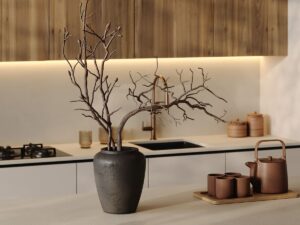
Natural woods, stones, woven fibers, and ceramics add visual depth and tactile qualities rarely matched by purely ornamental items.
Art and handmade pieces by local creators provide additional opportunities to build character while connecting spaces to the region’s cultural context.
This approach is particularly effective for residences marketed to an international clientele. A clean, timeless aesthetic appeals to a wide range of buyers and guests, while curated materials, artwork, and composition yield a distinct, recognizable identity.
THE TECHNICAL CHALLENGE OF OCEANFRONT DESIGN
The beauty of a coastal residence must withstand environmental conditions that can accelerate material degradation. High humidity, salt air, solar exposure, and heavy usage require design choices based on performance rather than pure aesthetics.
In this environment, material selection is one of the most critical stages. A finish may look pristine upon delivery but deteriorate rapidly if ill-suited for coastal conditions. Aldo Joya, director of the firm AJ + ARCHITECTS, emphasizes evaluating not just initial appearance, but long-term durability, maintenance requirements, ease of cleaning, and replacement availability.
The same criteria apply to furniture, textiles, and fixtures. Prioritizing performance under daily use and factoring in long-term maintenance costs is essential.
Lighting presents another technical consideration. Leveraging natural light enhances views and creates open atmospheres, yet solar exposure must be carefully managed. A well-planned lighting scheme combines ambient and functional light to adapt each space throughout the day.
Coastal design must achieve two main goals: maintain a sophisticated look and ensure that quality endures over time.
DESIGNING FOR PROFITABILITY
For properties intended as vacation rentals, interior design takes on direct financial importance. Its function extends beyond providing guest comfort to positioning the home competitively in the market and streamlining operations.
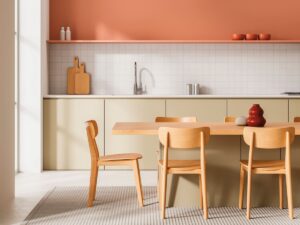
Photos and video tours often serve as a property’s first point of contact with potential guests, making visual composition vital to communicating value.
Designing with the camera in mind requires understanding how light, texture, and spatial composition influence perception. Crucially, imagery must reflect the actual guest experience—a visually striking residence that lacks comfort or functionality will struggle to maintain positive guest reviews.
Profitability also hinges on smart budget allocation. A sound strategy prioritizes high-impact elements essential to comfort and durability, such as mattresses, sofas, primary seating, functional lighting, and appliances. Accent pieces that add character—art, decorative light fixtures, and artisanal crafts—can then be layered in.
This hierarchy prevents overspending on decorative items at the expense of core functional elements, while allowing textiles and smaller accessories to be updated periodically without overhauling the entire design scheme.
LESS OSTENTATION, MORE INTENTION
Among the approaches best suited for this residential market is quiet luxury: an aesthetic prioritizing material quality, proportion, craftsmanship, and subtle detail over obvious status symbols.
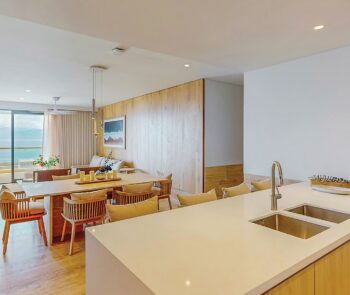
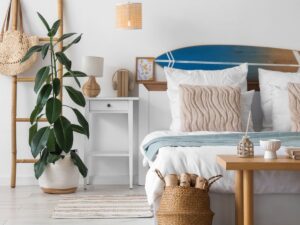
In Puerto Vallarta and Riviera Nayarit, this philosophy yields modern interiors that engage with their environment without competing against it. Natural textures, warm dimmable lighting, unobstructed views, and integrated greenery create spaces tailored for rest and social gathering.
Flexibility is equally important, as vacation homes must accommodate various uses—from relaxing getaways to extended stays blending remote work and daily routines. Comfortable social areas, efficient traffic flow, and well-proportioned layouts adapt to these needs without sacrificing aesthetic cohesion.
Combining natural materials, artisanal details, and modern comfort offers a prime opportunity to craft spaces with distinct character that connect to the landscape while remaining fully functional. The goal is not to follow fleeting trends, but to select solutions tailored to the property and the expectations of its residents.