2026 Interior Design Trends – Part I
In an increasingly competitive real estate market like Vallarta · Nayarit, interior design has shifted from a secondary consideration to a strategic asset that directly influences capital appreciation, the user experience, and the identity of residential spaces. Recognizing the breadth and depth of this topic, this editorial analysis is presented as a special two-part series, exploring the primary interior design trends leading into 2026 from a professional, regional, and value-oriented perspective.
In this first installment, the focus is on the conceptual foundations redefining interior design in the region: the evolution toward the sensorial, the conscious selection of materials, and the role of sustainability as a daily practice. The second part will delve into key aspects such as the 2026 color palette, flexible spaces for a hybrid lifestyle, strategic home renovations, and the integration of smart technology into interior design.
With this context as a starting point, the Vallarta Real Estate Guide editorial team sat down with architect Paulina Corcuera, director of KAPARAT, an interior design firm with an extensive and acclaimed track record in Puerto Vallarta and Riviera Nayarit. From this interview, we analyze the trends that will define interior décor in 2026—viewed not as fleeting fashions, but as conscious responses to new ways of inhabiting the Mexican Pacific coast.
FROM 2025 TO 2026: A SENSORIAL EVOLUTION
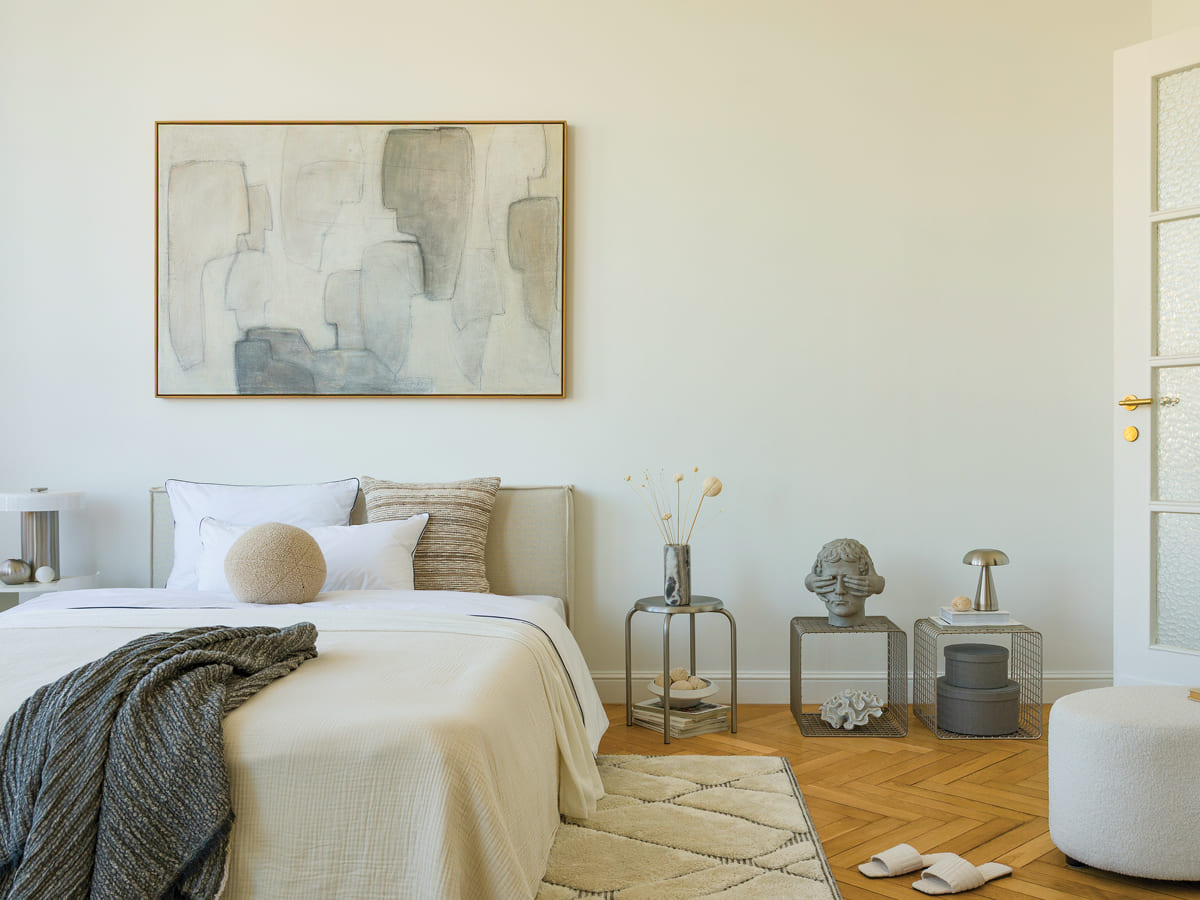
The trends of 2026 do not emerge in isolation. According to Paulina Corcuera, there is a clear continuity with what was observed in 2025—a year that consolidated the use of natural materials, organic textures, and neutral palettes. However, the shift for 2026 lies not so much in the elements themselves, but in the way they are utilized and experienced.
“We are in an era of transition. We want to preserve the cultural essence of Mexico while moving toward modern and contemporary design,” the architect notes. This transition translates into spaces designed to evoke sensations, where interior design is conceived as a tool to foster emotional well-being, calm, and a connection with the surroundings.
In this process, lighting takes center stage. It is no longer a merely functional resource but has become a sculptural and narrative element. Transparent lamps, pieces illuminated from within, and a more precise study of light temperatures allow for the creation of atmospheres that transform the perception of a space throughout the day.
For destinations like Vallarta · Nayarit, where properties often serve multiple purposes—as a primary home, a second residence, or a vacation rental—this sensorial dimension is particularly relevant. Proper lighting not only enhances the aesthetics of the space but directly impacts how the home is inhabited and enjoyed.
HONEST MATERIALS AND SCULPTURAL PRESENCE
In Banderas Bay, where the climate, humidity, and proximity to the sea dictate design requirements, materials continue to be the protagonists. For 2026, the preference for light woods, natural stones, organic fibers, and airy textiles remains, but with a clearer intention to showcase their essence without artifice.
“In 2026, we will see more sculptural materials and lighting that transforms the perception of space from new perspectives,” says Paulina. This visual honesty involves allowing materials to express their texture, their imperfections, and their origin, moving away from excessively processed or artificial finishes.
From a real estate perspective, this approach responds to a shift in the buyer profile. Especially in the mid-high and luxury segments, there is a greater appreciation for authenticity, perceptible quality, and coherence between design and environment. Spaces that communicate naturalness and timelessness tend to age better and retain their value over time.
Furthermore, the use of honest materials dialogues with the region’s lifestyle, where freshness, lightness, and functionality are prioritized without sacrificing a sophisticated and well-thought-out aesthetic.
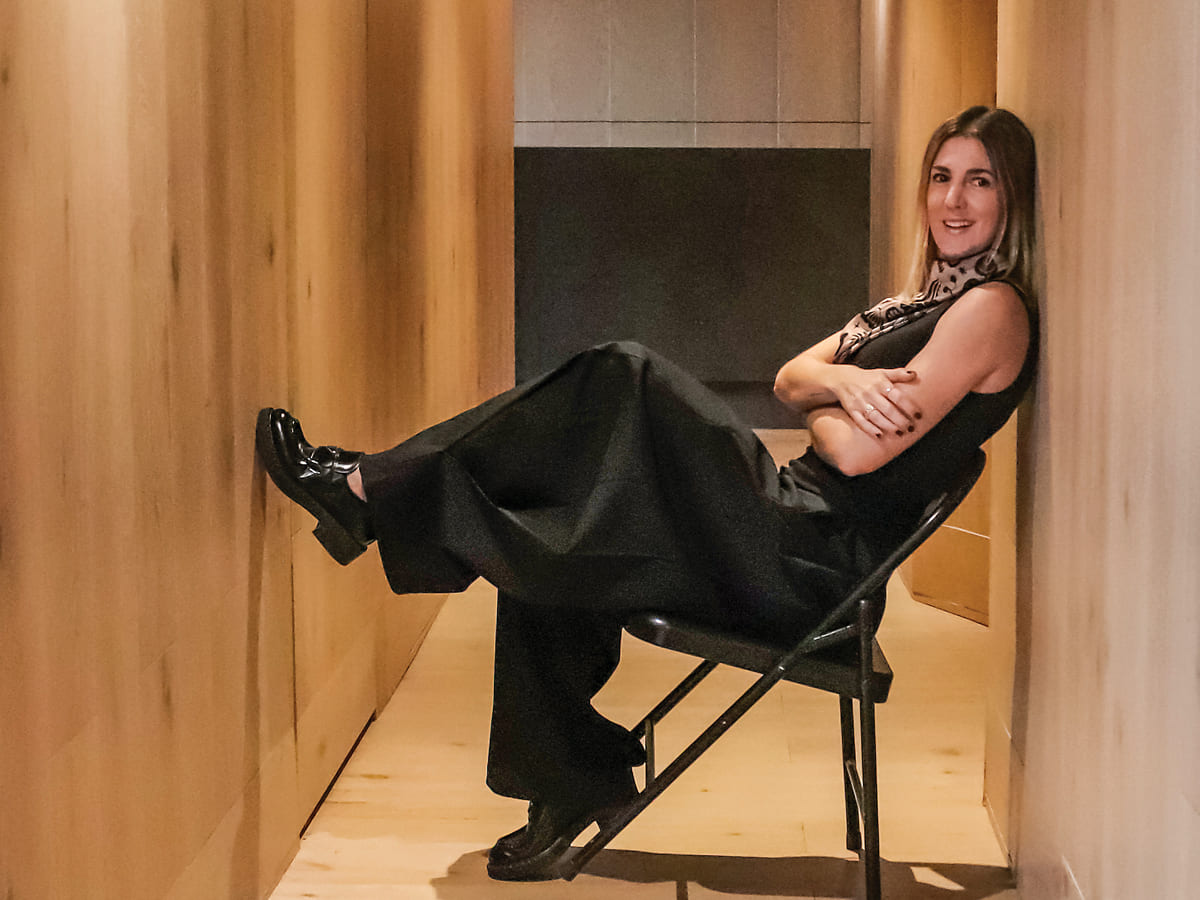
Paulina Corcuera, director of KAPARAT.
SUSTAINABILITY AS A DAILY PRACTICE
One of the most significant shifts in the interior design narrative is the approach to sustainability. For KAPARAT, this concept has ceased to be a trend or an added value and has become a daily responsibility within the creative and construction process.
“Sustainability is no longer seen as an extra; it is a natural part of our day-to-day,” Corcuera maintains. In coastal contexts, where not all low-impact materials are viable due to technical or climatic conditions, the challenge lies in making conscious decisions that reduce long-term environmental wear.
This translates into the selection of durable materials, low-chemical intervention processes, and artisanal techniques that respect the nature of the material. This approach avoids the use of short-lived elements and prioritizes natural woods, high-quality veneers, and repairable pieces, extending the life cycle of every component.
This focus is particularly relevant in a real estate market where durability and low maintenance are key factors for both owners and investors. Beyond the environmental discourse, sustainability thus becomes a value strategy: better-designed spaces with materials that age gracefully and justify the investment over the long term.
LOOKING TOWARD PART II: DESIGN, COLOR, AND DAILY LIFE
The interior design trends for 2026 are not limited to materiality and sustainability. In the second and final part of this special feature, the analysis will focus on other fundamental pillars of contemporary design in Vallarta · Nayarit: the 2026 color palette and its emotional impact, flexible spaces for a hybrid lifestyle, strategic home refreshes that do not require major remodeling, and the growing role of integrated technology in interior design.
All these elements, viewed through Paulina Corcuera’s vision and the editorial lens of Vallarta Real Estate Guide, complete a comprehensive look at interior design as a key tool for elevating the living experience and the capital appreciation of residential projects in the region.