Construction in Vallarta · Nayarit: Materials, Techniques, and Labor – Part II
In our last edition, we analyzed the materials and techniques that define construction in Vallarta · Nayarit. In our second installment of this special feature article, we explore one of the most sensitive and determining factors for real estate development in the region: labor and as its impact on construction times and costs.
Architect José Luis Niño, a partner in the Vallarta-based development company Playa Lifestyle—known for having successfully developed, completed and delivered the Urban I, Urban II, Las Verandas de Amapas and Esquina Versalles projects—has closely observed how real estate growth has put all the players in the industry to the test, from material suppliers to on-site crews.
LABOR: THE GREAT CHALLENGE OF THE SECTOR
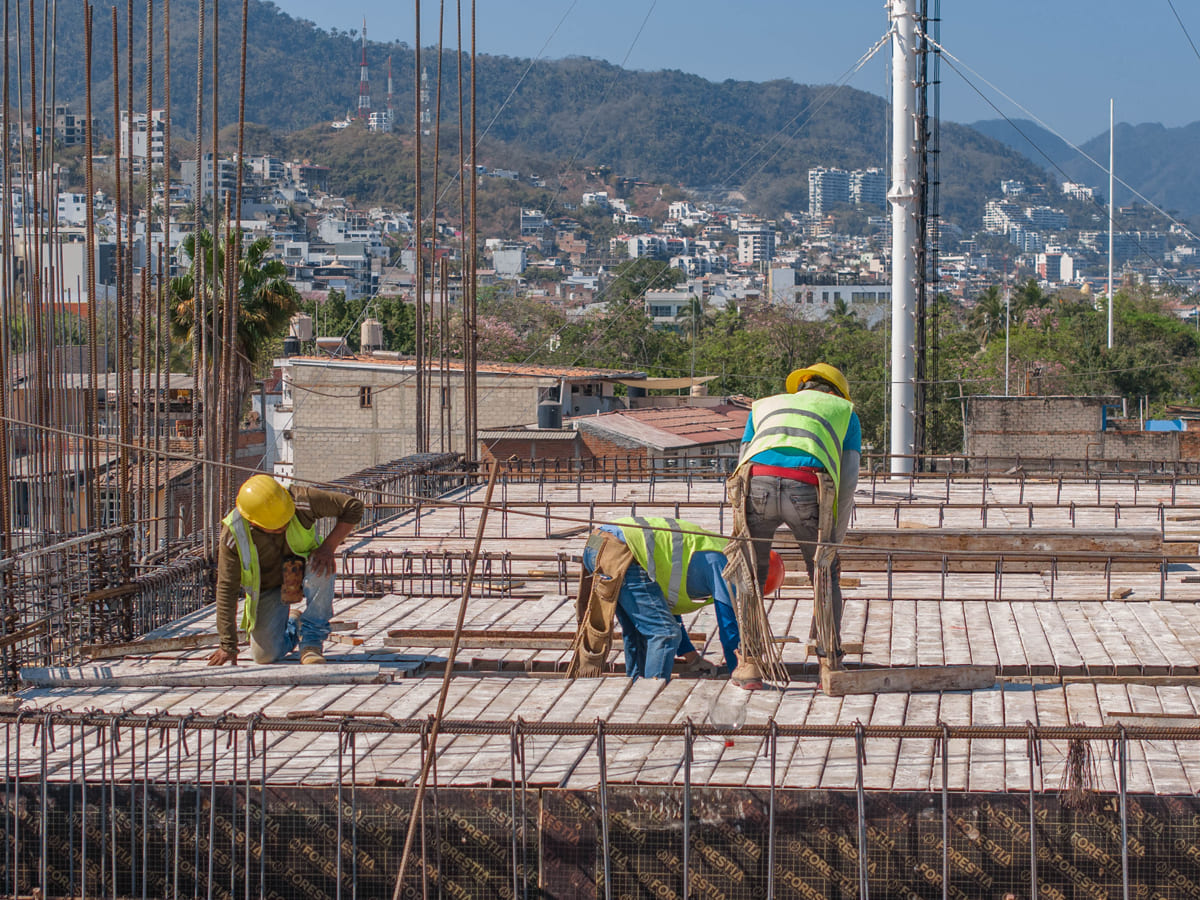
Beyond advances in materials and techniques, construction in Puerto Vallarta and Riviera Nayarit faces a challenge that has become increasingly pressing: the availability and specialization of labor. The lack of skilled workers not only makes projects more expensive but also has a direct impact on delivery times.
“Simply put, there is not enough quantity or quality. The few who are well prepared and experienced know what their work is worth, and their services have become more expensive,” he says.
This situation has led many construction companies to maintain trusted core teams, made up of experienced personnel who ensure continuity and consistency in execution. “When you are able to form a solid team, it allows you to maintain a consistent standard in your projects and not depend so much on new hires,” he explains. However, this model also has limitations, especially when developments are large-scale and the workforce needs to be scaled up quickly.
The result is that construction times have remained virtually unchanged in more than a decade. “A seven-story building with 40 units still takes about two years to complete, practically the same time frame as 10 or 15 years ago,” he says. Added to this is more administrative red tape, which has also slowed down the process. “What used to take six months now takes a year and a half,” he says about permit and regulatory procedures with agencies like SEMARNAT or PROFEPA.
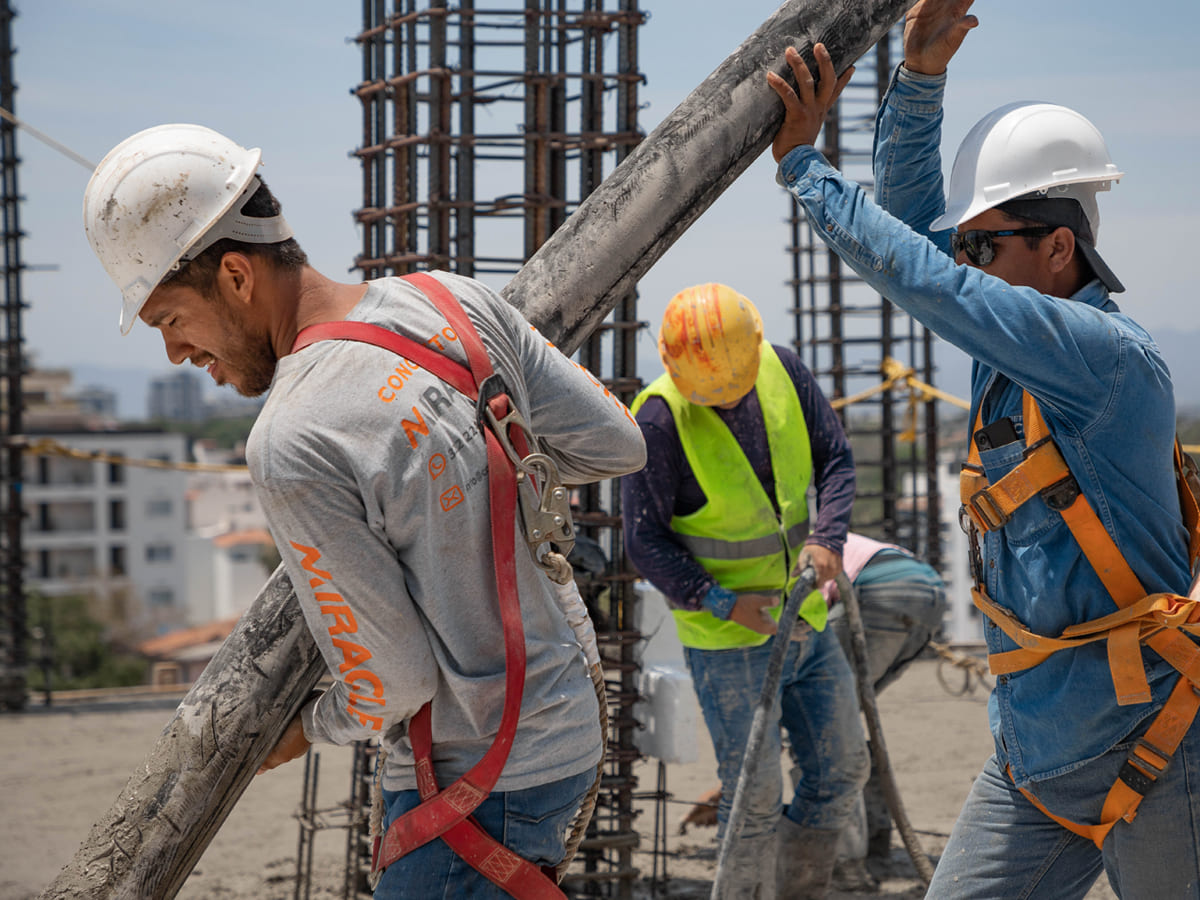
At the structural level, the available workforce is usually concentrated in traditional trades such as masonry or painting, while the more technical areas like electrical, hydraulic or air conditioning installations require specialized tradespeople who are in short supply. This limits the adoption of modern construction systems, which demand precision and technical knowledge for use.
For this reason, trades training is emerging as an urgently needed solution. Training more workers who are specialized in installations, finishes and structures could be the key to reducing the bottlenecks that developers face today. “It is an issue that should be addressed with a regional vision, because real estate growth is not stopping and more qualified hands are required to meet the demand,” stresses José Luis.
LOOKING AHEAD: WHERE CONSTRUCTION IS HEADED
Although technological and material advances are evident, José Luis maintains a realistic vision of the near future: “Hopefully new methods will appear that make the construction process less reliant on trades, which would allow us to move faster, but honestly I still don’t see that in the short term,” he acknowledges.
The expectation is that new materials and construction systems (such as prefabricated panels, light metal structures or more efficient mixtures) will eventually converge to create a more agile and sustainable model, capable of responding both to the growth of the market and to the demands of investors and institutions.
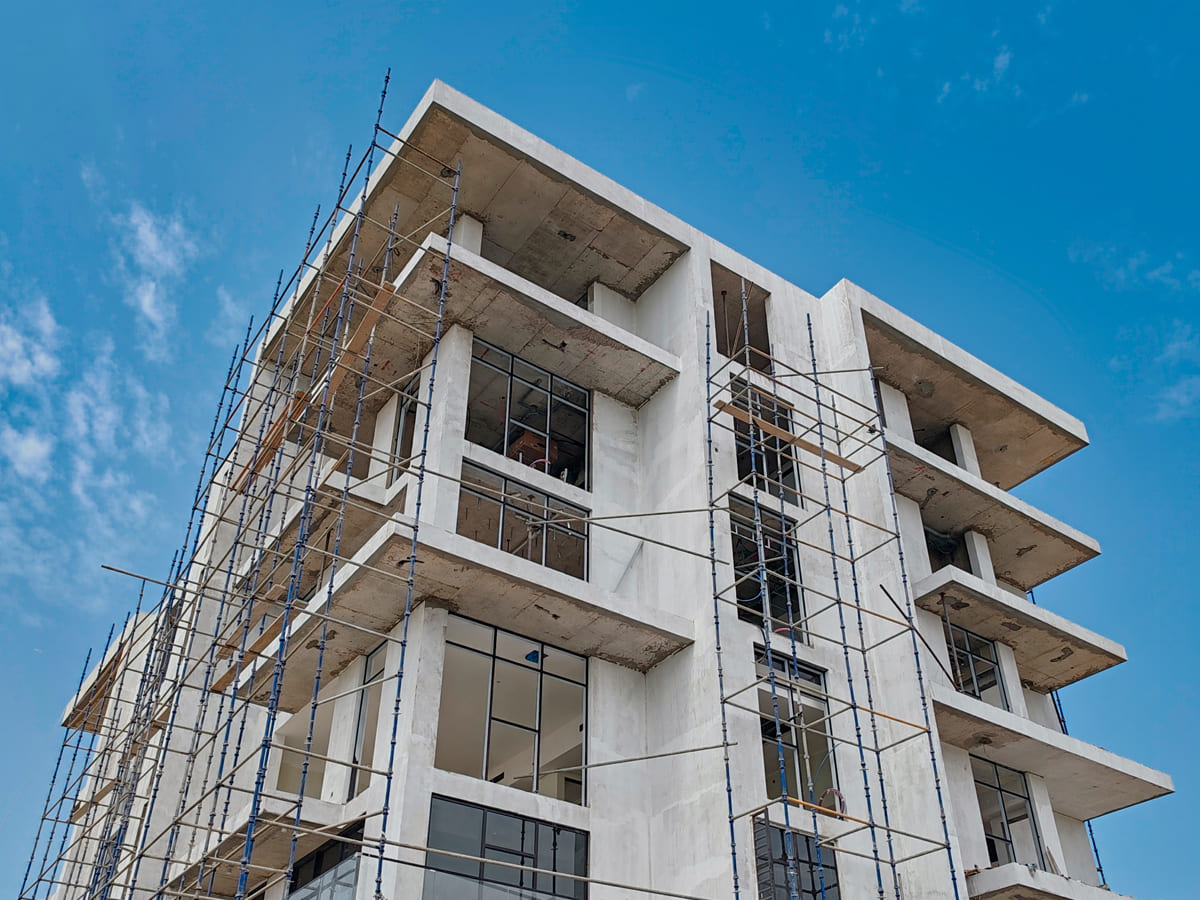
However, for this to happen, it will be necessary to break cultural paradigms: “End user owners still prefer to feel that their house is solid—that is, made of cement block and/or brick. This means that lighter or more modular systems do not end up being as widely accepted,” he explains.
In the medium term, challenges also include urban planning and sustainability. The increasing densification of areas such as the Romantic Zone and Versalles raises the need to optimize space and reduce environmental impact. “It will be increasingly important to design intelligently, to make better use of the terrain, the views and the solar orientation,” he adds.
FINAL THOUGHT: INNOVATION WITH FIRM ROOTS
The construction landscape in Vallarta · Nayarit is, in many ways, a mirror of the region itself—a mixture of traditional and modern with challenges and opportunities. While the solidity of concrete continues to set the tone, new materials and techniques are finding space to transform the way projects are designed and executed.
The great challenge, as José Luis has stressed throughout this special article, is in the workforce: “Having enough qualified trades workers will be key for the sector to be able to sustain its growth rate”.
For developers and investors, the message is clear: betting on innovation in materials, techniques and human resources is not only a competitive advantage, but a strategic necessity to guarantee successful and sustainable projects in the long run.