
Condo Insurance vs. Home Insurance: Understanding the Difference to Protect your Investment – Part II
In the first installment of this special feature article, Vallarta Real Estate Guide addressed the foundational differences between condo insurance and home insurance, as well as the specific of coverage needs for vacation rentals. In this second and final installment, our analysis takes focus on the operational and preventive components that will create a comprehensive asset protection strategy for owners and investors in Puerto Vallarta and Riviera Nayarit.
With the expertise shared by Roberto Castellanos, managing partner of Novamar Insurance Mexico, it is clear that insuring a property is not simply taking out a policy, but also understanding the risks, responsibilities and actors involved in the daily operation of the property.
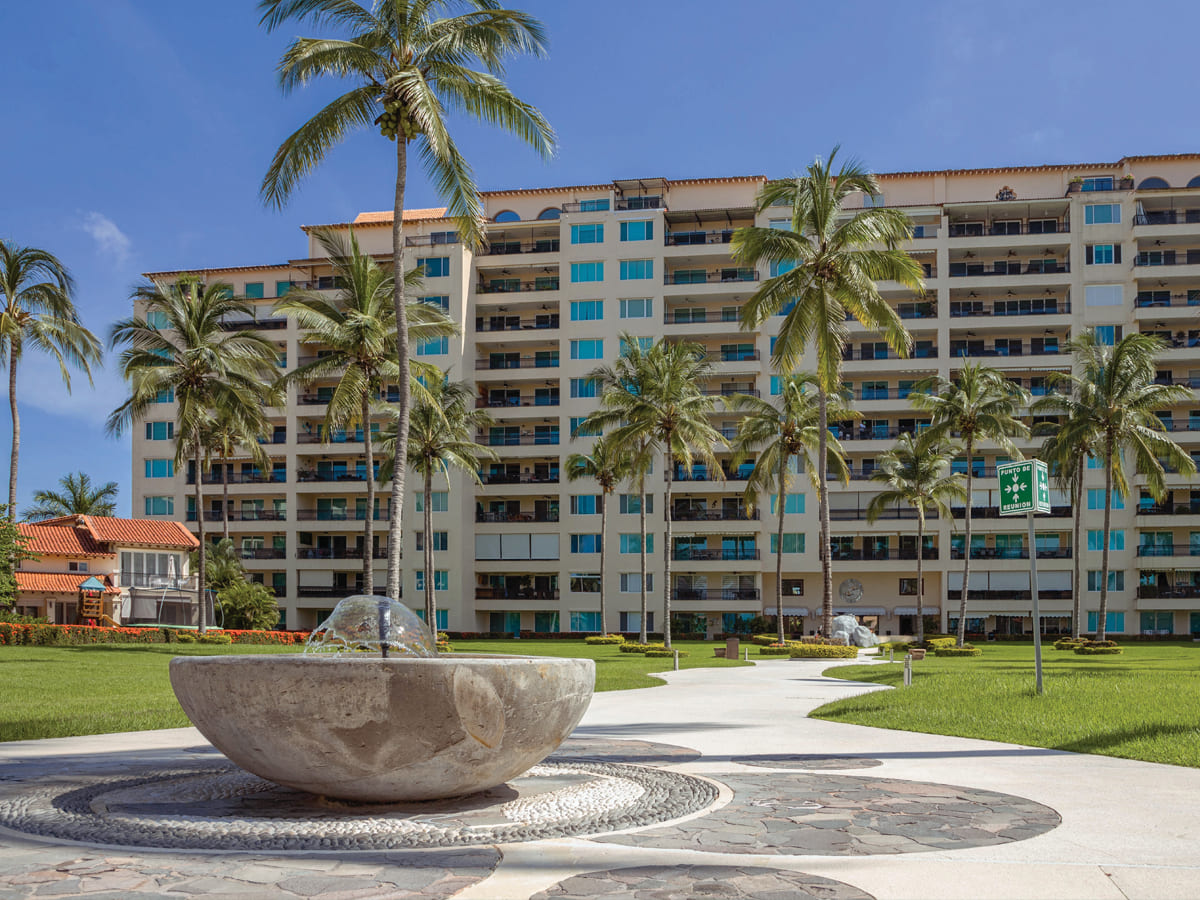
LIABILITY AND THE ROLE OF PROPERTY MANAGERS
One of the most sensitive aspects (and the one with the greatest potential for conflict) is civil liability. Generally speaking, this coverage protects against personal or property damage unintentionally caused to third parties. In condominium developments, liability is distributed between the building’s master policy, each owner’s individual policies, and, increasingly, the property managers’ own insurance.
The growth of the vacation rental market has raised the operating standard. International hosting platforms and companies require property managers to carry specific insurance that covers guest accidents, property damage, and liability claims. “The administrator needs his own insurance, as global corporations demand it,” Castellanos points out.
For the homeowner, this provides an extra layer of protection, but it is not a substitute for having their own home insurance or condo policy. The correct alignment between these coverages reduces legal gaps and facilitates the proper attention to claims.
MOST COMMON RISKS IN PUERTO VALLARTA AND RIVIERA NAYARIT
The geography and climate of our region reflect a large part of insurable risks. The proximity to the ocean, humidity, the intensive of use of properties and the age of some facilities generate clear accident patterns.
One of the most recurrent problems is water damage between units. Aging hoses, faulty connections, and a lack of accessible valves cause leaks that can affect multiple apartments. “We have seen buildings with up to 30 or 40 water damages a year. With basic preventive measures they can be significantly reduced,” says Castellanos. Regular reviews and maintenance protocols prove to be more effective and less costly than facing constant claims.
Glass breakage is another frequent risk, especially in vertical developments. Vibrations, faulty installations and sudden changes in temperature can cause damage that, depending on its location, falls on the condominium policy or individual insurance.
As for hydrometeorological phenomena, some condominiums choose to create reserve funds to cover storm surges or hurricanes, instead of taking out additional insurance coverage. This decision must be carefully evaluated, considering the actual exposure of the property and the financial capacity of the condominium to respond to major events.
FREQUENTLY ASKED QUESTIONS FROM OWNERS
On a day-to-day basis, owners often share similar concerns and questions, regardless of whether they are first-time buyers or experienced investors.
One of the most common is the insured value. Many wonder why the sum insured does not match the purchase price of the unit. The explanation is technical but fundamental: the insurance must cover the real value of any reconstruction, not the historical or commercial value of the property. Costs of materials, labor and current regulations are the factors that determine this figure.
Another common source of confusion is the relationship between the master policy and individual coverage. Understanding what protects the building and what needs to be secured within the unit avoids misunderstandings when an incident occurs that crosses physical and contractual boundaries.
Civil liability, both individual and collective, also raises questions. Homeowners are often unaware that their policy can cover damage that is caused by them, their family members or even their pets, inside and outside the home, as long as they are unintentional events.
CONFLICT RESOLUTION AND PREVENTIVE MEASURES
When an accident occurs, having prior clarity makes all the difference. Damage between neighbors, crossclaims, and high deductibles can escalate quickly if there are no clear agreements and well-defined coverages in place.
Castellanos recommends that homeowners have individual policies that cover roofs, walls and floors from inside the unit, regardless of who is responsible for the damage. While the master policy usually includes cross-liability, it usually operates with high deductibles that delay coming to a solution.
Prevention remains the most effective tool. Carefully reading policies, maintaining constant communication with administrators and insurers, as well as correctly documenting the use of the property (especially when it is used as a vacation rental) reduces friction and speeds up the claims process.
PRACTICAL TIPS FOR FIRST-TIME BUYERS
For those who have purchased their first property in Puerto Vallarta or Riviera Nayarit, the process can be complex. Beyond the initial excitement of buying your home, it is essential to adopt a preventive vision from day one.
Key recommendations include applying for and reviewing the building’s master policy, understanding the unit’s ownership regime, and defining precisely where individual rights and obligations begin and end. It is also important to check how the common areas and services of the development are secured, as well as verifying the existence of active maintenance contracts.
Choosing the right insurance should not be seen as a post-purchase procedure, but as an integral part of the investment decision. Avoiding under-insurance, correctly declaring the use of the property and relying on specialized advisors allows you to protect your assets against climate, operational and legal risks.
With this second installment, Vallarta Real Estate Guide completes an analysis that seeks to offer clarity and practical guidance on an essential issue for homeowners in our region. The right combination of condominium insurance, home insurance and complementary coverage not only protects assets, but also provides long-term certainty in one of the most vibrant real estate markets in the country.