2026 Interior Design Trends – Part II
In markets like Vallarta · Nayarit, where permanent residences, second homes and vacation rentals all coexist, interior design is used as a strategic tool to transcend aesthetics and has proven itself as a decisive factor in elevating the living experience and adding true value to real estate holdings.
Taken from a conversation with architect Paulina Corcuera, director of KAPARAT, this second and final installment of this special feature article delves into four key points that inform interior design: color and its emotional impact, spatial flexibility, strategic renovations that don’t require major refurbishments, and the intelligent integration of technology.
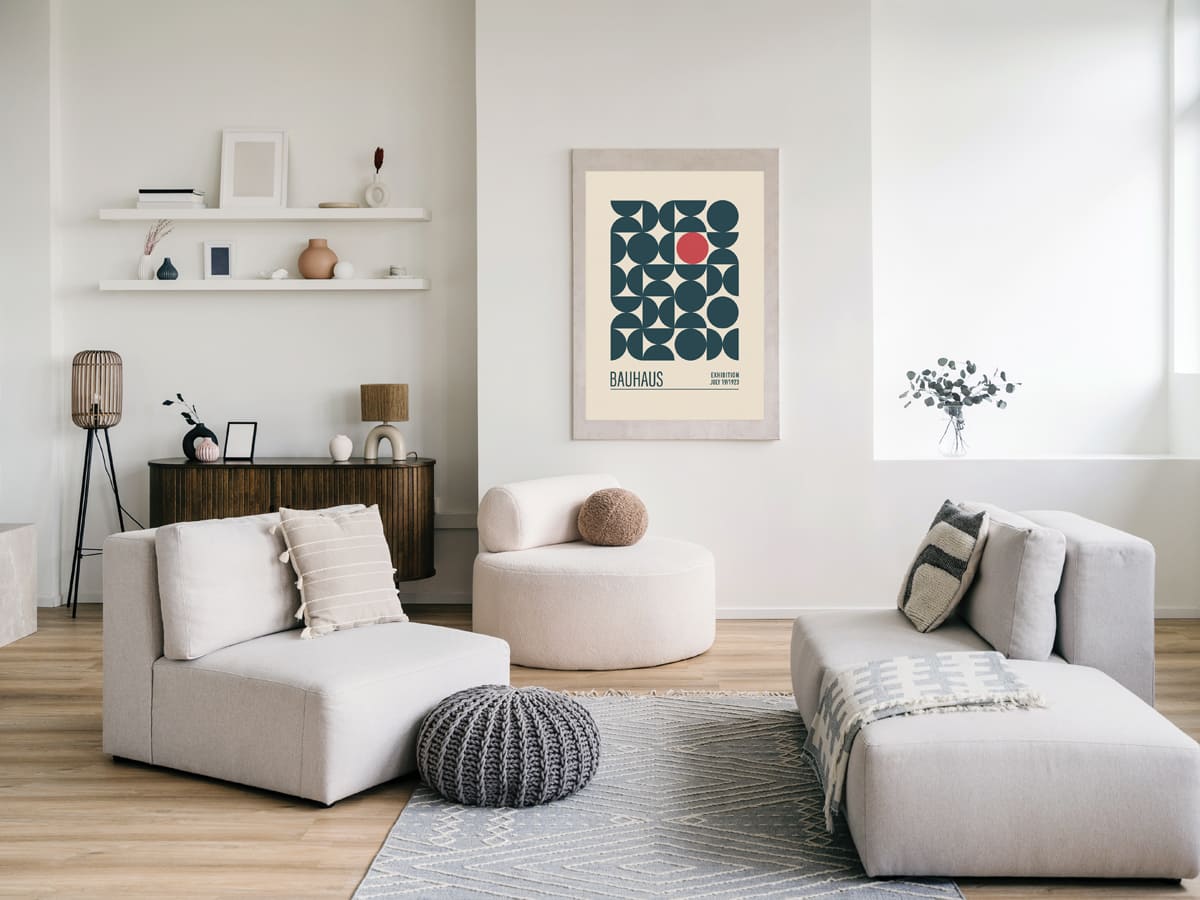
THE 2026 COLOUR PALETTE: CALM, BALANCE AND IDENTITY
Color once again occupies a central place in interior design discussions, but with an emotional and conscious logic. For 2026, color trends respond to a clear duality: on the one hand, the search for serenity, on the other, the need to express character and identity.
Pantone named a warm white, “Cloud Dancer”, as the color of the year, a shade that conveys calm and clarity in a global context marked by stress and digital overload. Also, for 2026, the national paint company Comex presented two key colors for Mexico: “Cielito Lindo”, a pale blue associated with Zen principals and contemplation, and “Xoconoztle”, a deep purple that communicates strength and presence.
“The colors of the year reflect the duality of serenity and personality that we are experiencing,” explains Corcuera. In the context of Vallarta · Nayarit, this translates into the use of neutral palettes as a base, complemented by carefully selected accent colors. Although intense tones such as purple are not dominant in our region, their occasional use in sculptural pieces, textiles or decorative details can create a unique identity within a space without breaking the general harmony.
From a real estate perspective, this color approach offers timelessness. Well-balanced, emotionally pleasing, and visually coherent spaces remain relevant, making them more attractive to both end users and potential buyers or tenants.
FLEXIBLE SPACES FOR A HYBRID LIFESTYLE
Spatial flexibility is no longer an emerging trend but a fundamental necessity for interior design in tourist and residential destinations. “This will, 100 percent, continue to be a trend in 2026,” says Corcuera.
The growth of remote work, combined with smaller space condos and the frequent use of vacation rental properties, requires solutions that allow spaces to be adaptable without sacrificing aesthetics or functionality. One living space needs to have the ability to transform into a social area, rest area or workspace depending on the time of day.
Within this context, custom-made furniture plays a leading role. “Today we live in a remote work world where the home is also an office and social space. That’s why personalized furniture has become indispensable,” she says. Unlike mass produced furniture, custom design allows for a designer to optimize a space, add integrated storage, and respond to the real needs of the user.
Understanding that luxury is defined as more than just a price or brand, Corcuera stresses the value that’s found in personalization. “True luxury is that the space truly reflects the resident’s life.” For owners and investors, this adaptability translates into more versatile, functional and attractive properties for different types of occupants.
STRATEGIC RENOVATIONS WITHOUT MAJOR REFURBISHMENTS
Aligning a property with 2026 trends does not necessarily mean a major remodel. From KAPARAT’s experience, there are specific smaller changes or updates that are capable of completely transforming a space within a controlled budget.
Lighting tops the list of high-impact changes. Dimmable systems, programmed settings and a correct selection of light temperatures allow an atmosphere to be modified according to an activity, significantly improving the daily experience.
A second factor is also the addition of custom-made furniture, which allows the functionality and look of a space to be refreshed without a large-scale intervention. Other considerations are finishes and textures on wall treatments, which can provide depth, character and sophistication.
For the Vallarta · Nayarit real estate market, these strategies are especially relevant. They allow you to update existing properties, improve your competitiveness and justify adjustments in sales and/or rental prices.
TECHNOLOGY INTEGRATED INTO INTERIOR DESIGN
Technology is becoming increasingly integrated as a natural extension of the living experience, especially in places where many homeowners do not permanently reside. Although its adoption in Mexico is progressing gradually, by 2026 it will be an indispensable component of well-executed interior design.
Digital locks, smart lighting, efficient HVAC systems and basic automation from one’s cell phone can facilitate easy operation of the home, optimize consumption and provide greater remote control. “Technology is already part of daily life. The challenge is to apply solutions that really facilitate and apply to the operation of the home,” says Corcuera.
From a design point of view, the challenge is to integrate these systems without breaking the visual harmony of the space. The trend is towards discreet, intuitive and aesthetically coherent solutions, where technology accompanies design without imposing itself.
VALLARTA · NAYARIT: AN EVOLVING HYBRID AESTHETIC
Interior design in our region is a hybrid identity that combines international luxury with Mexican roots. Areas such as Conchas Chinas, Punta Mita and the North Shore have promoted a more contemporary design language, without losing the local warmth or connection with the environment.
“We are seeing more and more projects that seek that duality in preserving Mexican roots, but to taking it towards a more modern and conceptually careful design,” explains Corcuera. Climate, humidity and salt air have a direct influence on the selection of materials, favoring those that are resistant, durable and visually light.
This aesthetic evolution also responds to the needs and wants of a more informed buyer, who values the coherence between design, context and construction quality, and who understands that interior design is a natural extension of the value of the property.
DESIGN, WELL-BEING AND REAL ESTATE VALUE
Interior design trends for 2026 confirm that design is no longer an accessory element, but a strategic asset within the Vallarta · Nayarit real estate market.
Integrating color, flexibility, technology, and conscious design decisions allows you to create spaces that not only look good but are better lived. “A project should not only look pretty, but also feel like home, have a soul and justify the investment on a personal and economic level,” concludes Corcuera.