Using Pre-Construction Real Estate as a Strategy for Generating Capital Gain
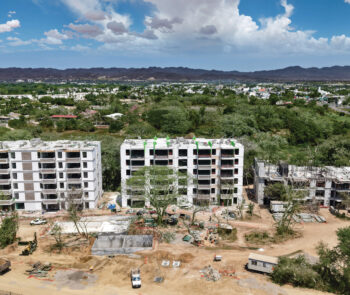
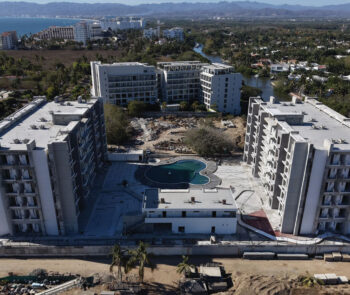
In such a dynamic and competitive market as that of Puerto Vallarta and Riviera Nayarit, purchasing property before construction is one of the most effective strategies for generating capital gain. This purchasing model allows you to acquire a property before it is built or finalized, opening the door to preferential pricing and offering an appreciation potential that is hard to match with other investment vehicles. Here in the Banderas Bay area, where tourism is growing steadily and infrastructure is being modernized, investing in pre-construction is a smart move for those looking to maximize their capital.
A MARKET AT ITS PEAK
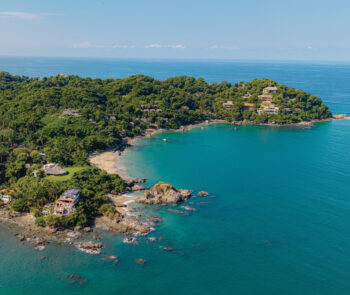
Most of the destination’s established areas, including the Romantic Zone, Versalles, Fluvial Vallarta, Marina Vallarta, Nuevo Vallarta, Bucerías, La Cruz de Huanacaxtle and Punta de Mita, offer a significant proportion of their real estate portfolio under the pre-construction model. This boom is a response to a powerful combination of factors: annual hotel occupancy ranging between 75 and 85 per cent; infrastructure investments in the form of new roads, airport modernization and mixed-use projects; and a favorable exchange rate for both national and foreign buyers. The result is value increases that typically range between 15 and 35 percent from launch to delivery.
THE MECHANISM OF CAPITAL APPRECIATION
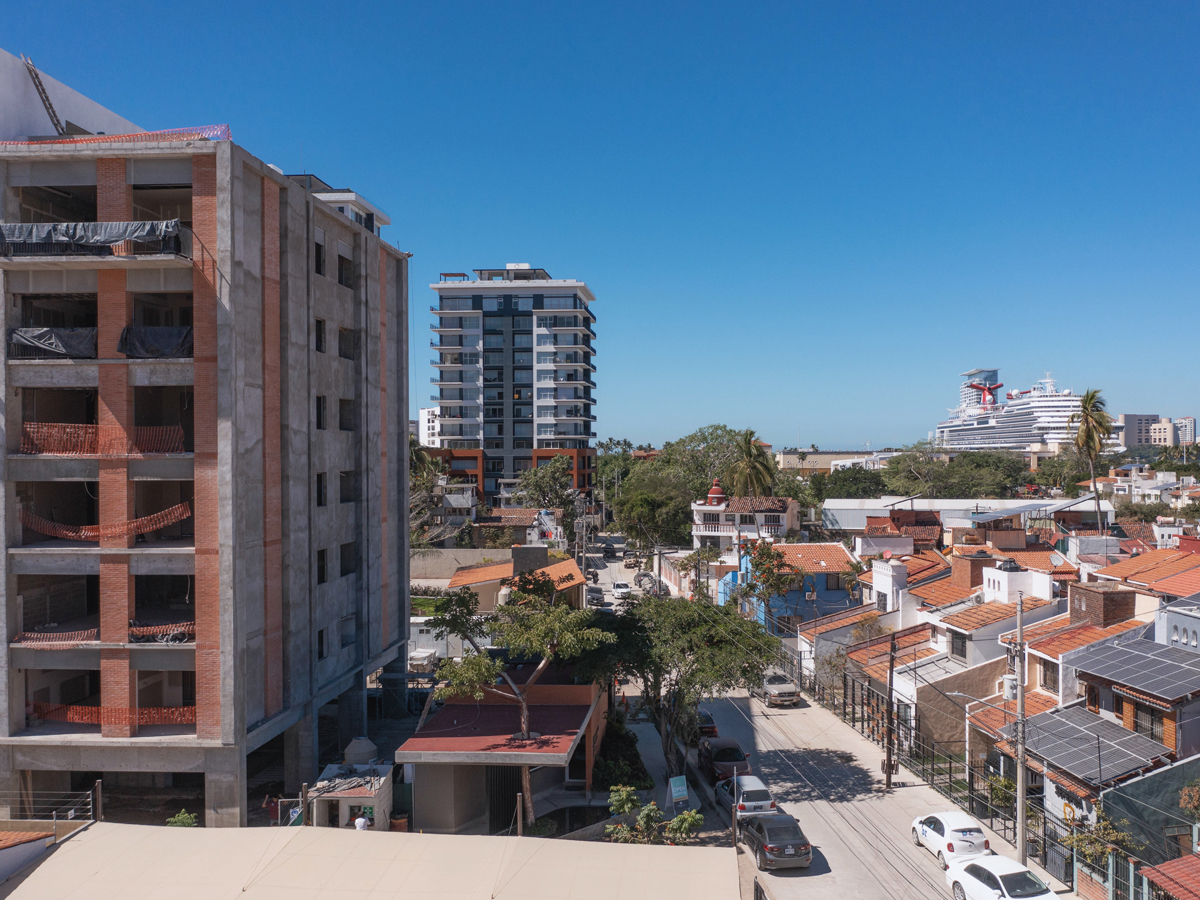
The key lies in the difference between the initial price and the final market value. For example, a buyer who acquires a pre-construction condo for five million pesos could see an estimated value of between six and six-and-a-half million pesos upon its delivery. This equates to a return of between 20 and 30 per cent over a period of 18 to 24 months. Compared to traditional financial investments, it is difficult to achieve such high returns, especially considering that the property can also generate cash flow through short- or long-term rentals.
FACTORS THAT BOOST APPRECIATION
In the local market, location remains the most powerful driver of capital appreciation. Decisive factors include proximity to the beach, access to services, connectivity to main roads, and an attractive selection of restaurants and cultural activities.
Other influential factors include the stage of the project’s development (prices are typically lowest at launch), the area’s growth projection, and the strength of the tourist and residential markets. Together, these elements add value to the initial investment, multiplying the potential for gain.
AN ACCESSIBLE MODEL FOR VARIOUS PROFILES
Contrary to the perception that it is a strategy reserved for large investors, the pre-construction model appeals to a variety of profiles. Investors looking to diversify their portfolio can benefit from the high returns offered by this model, while those looking to purchase a second home can take advantage of flexible payment plans, with down payments of 20 to 30 per cent, monthly or quarterly payments during construction, and the final balance due upon delivery. This system enables investors to generate returns during the construction phase while avoiding the need to take out a mortgage loan too early, which is a notable advantage in times of high interest rates.
THE ROLE OF THE DEVELOPER
The key to minimizing risk is choosing a solid project. A developer’s reputation, history of timely deliveries, construction quality and financial backing can mean the difference between a secure investment and future problems. You should verify how many projects the developer has completed, visit previous developments and confirm that they have all the necessary licenses and permits. Due diligence also involves evaluating the builder and architect, since their track record directly influences the final result.
LEGAL AND CONTRACTUAL CONSIDERATIONS
In any pre-construction transaction, the promise-to-purchase agreement must include an estimated delivery date, penalties for non-compliance, a detailed property description (including plans, finishes and square feet), warranties and payment conditions. It is also essential to confirm that the project has a construction permit, and that it has a fideicomiso (trust) authorized by a banking institution for foreign buyers. These preliminary checks safeguard the investment and provide legal certainty.
THE MARKET AFTER CONSTRUCTION
Experience shows that, in well-located projects backed by reliable developers, value increases do not stop once the project is complete. In the six months that follow, properties often appreciate by a further 15 to 30 percent, driven by demand from those who missed the initial investment stage. This means that the potential return can be even greater for those who buy pre-construction and then hold the asset for an additional period.
MISTAKES TO AVOID
One of the most common mistakes among investors is to focus solely on the price per square feet, rather than considering the area’s potential for appreciation or the quality of the project. Another common pitfall is allocating the entire budget to a single asset or area, which limits diversification. Finally, failing to check the legal status of the land or the developer can lead to problems ranging from significant delays to costly litigation.
A PROVEN STRATEGY
In the current context of Puerto Vallarta and Riviera Nayarit, pre-construction is a strategic tool that offers the opportunity to acquire a property at a lower price, achieve high returns and contribute to the development of popular destinations. To ensure success, it is crucial to prioritize location and developer over price: a well-located project backed by a solid team and executed by reputable builders virtually guarantees an increase in value and future liquidity.